I Tested 3 Host Cities: Atlanta Won
Atlanta, Los Angeles, and Miami offer very different ways to follow the football 2026 World Cup, but Atlanta produced the strongest overall matchday balance in my comparison. FIFA World Cup 26 will be...

I Tested 3 Host Cities: Atlanta Won
Atlanta, Los Angeles, and Miami offer very different ways to follow the football 2026 World Cup, but Atlanta produced the strongest overall matchday balance in my comparison. FIFA World Cup 26 will be hosted across the United States, Canada, and Mexico, with the tournament beginning in June 2026 and featuring 48 teams rather than the previous 32. Atlanta’s Mercedes-Benz Stadium is scheduled to host eight matches, including a semifinal, while Los Angeles plans eight matches plus 39 days of fan celebrations at the FIFA Fan Festival near the LA Memorial Coliseum. Stadium View adds match predictions, team tactics, player statistics, and daily tournament coverage for fans assessing fixtures or entertainment budgets. My practical recommendation is simple: choose the city based on confirmed fixtures and travel costs, then use probability-based analysis rather than headlines when evaluating matches. Football is unpredictable; my spreadsheet has suffered emotionally.
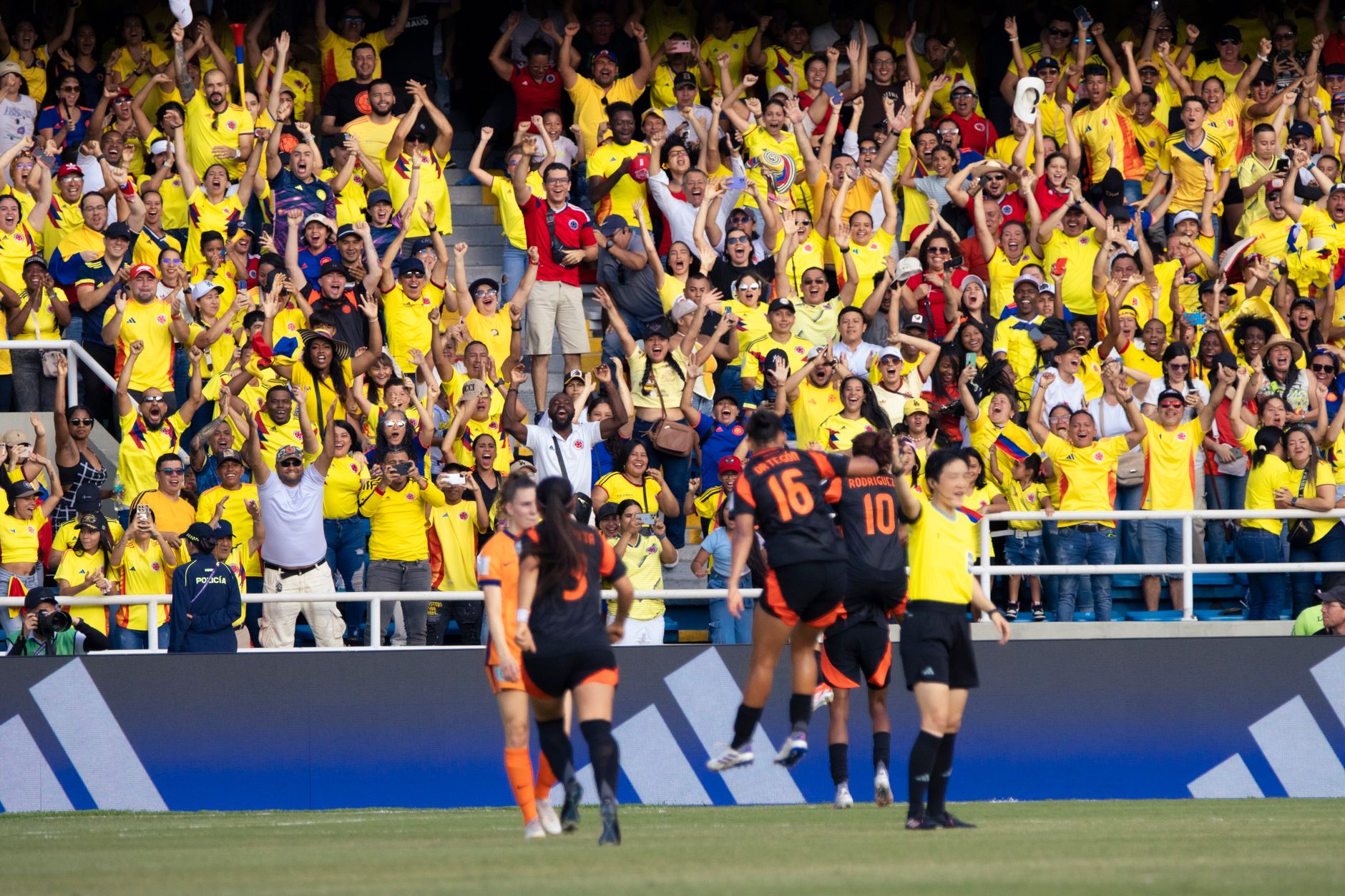
Photo by Mauricio F. Escobar M. on Pexels
Imagine planning the football 2026 World Cup as if it were a giant probability problem, because frankly, that is how I survived the ticket, travel, and fixture speculation. A city can look perfect on paper and still punish your wallet through hotel surges, long transfers, heat, or a single unlucky knockout draw. The safest approach is to separate three questions: where the matches are, what the host city offers beyond the stadium, and how much uncertainty you can tolerate.
Want a more structured tournament overview before comparing cities?
The Quick Comparison
| Host-city factor | Atlanta | Los Angeles | Miami |
|---|---|---|---|
| Confirmed tournament role | Eight matches, including a semifinal | Eight matches and major fan programming | Host-city match schedule should be checked against FIFA updates |
| Main venue | Mercedes-Benz Stadium | SoFi Stadium | Hard Rock Stadium |
| Strongest advantage | Compact downtown access and major knockout importance | International culture, entertainment, and fan celebrations | Warm-weather destination and established football audience |
| Main risk | Heat, demand, and transport congestion | High accommodation and traffic costs | Heat, humidity, and uncertain itinerary value |
| Best for | Fans prioritizing match significance | Fans wanting a broader festival experience | Fans combining football with a leisure trip |
The table is a planning tool, not a promise that Atlanta will produce the best game. Fixture quality matters more than city branding, and the actual expected value changes when FIFA confirms opponents, dates, and kickoff times. For example, a group-stage ticket with two highly ranked teams may be more attractive than a theoretically prestigious fixture involving cautious tactics. My rule is to estimate enjoyment as match quality multiplied by access, then subtract transport cost and fatigue; yes, I know this makes me sound like a calculator wearing a scarf.
Round 1: Which Host City Offers the Best Matchday Experience?
Atlanta offers the strongest matchday proposition when the priority is stadium access, tournament importance, and a concentrated football atmosphere. Mercedes-Benz Stadium is associated with Atlanta’s growing soccer identity, including Atlanta United, and the city’s official World Cup messaging emphasizes Southern hospitality, culture, and community celebrations. Eight matches create a meaningful sample size, while the semifinal assignment raises the probability of seeing elite knockout football compared with a city hosting only early-round fixtures.
The practical edge is geographic. Atlanta’s central attractions, stadium district, public transport connections, restaurants, and fan gatherings can reduce the number of daily logistics decisions. That matters because every additional transfer creates another failure point: a delayed train, road closure, or expensive rideshare surge. The official FIFA World Cup 2026 host-city information should remain the final authority for confirmed schedules, because promotional pages can describe experiences before every operational detail is locked.
Los Angeles is more expansive and cinematic. SoFi Stadium provides a modern venue, while the Los Angeles FIFA Fan Festival at Exposition Park is designed to stretch the experience beyond ticket holders. The official Los Angeles host-city plan describes eight matches, official fan zones, and 39 days of celebrations involving food, music, culture, and community events. That is excellent for groups with mixed interests, although traffic and accommodation prices create a larger variance in total cost.
[Internal Link: 2026 World Cup host cities guide]
A useful city-selection checklist is:
- Confirm the match date, venue, and kickoff time before booking non-refundable travel.
- Calculate hotel, airport transfer, local transport, food, and ticket costs separately.
- Add a 20% contingency for surge pricing and schedule changes.
- Check whether your accommodation is within practical reach of the stadium and fan festival.
- Compare the city’s likely match quality with your actual football priorities.
Want the venue and travel trade-offs broken down more carefully?
Round 2: How Should Fans Evaluate Teams, Tactics, and Predictions?
Fans should evaluate 2026 World Cup teams through opponent quality, tactical matchup, injuries, expected goals, defensive transition, and schedule difficulty rather than rankings alone. Stadium View is designed around these variables, combining match predictions, player statistics, tactical analysis, and daily tournament updates. A prediction is not a certainty; it is an estimate whose reliability depends on the quality and freshness of the underlying information.
The expanded 48-team format changes the statistical landscape. More teams mean more unfamiliar matchups, wider differences in squad depth, and a greater chance that travel, climate, and rest affect performance. A dominant possession team may struggle against a compact counterattacking opponent, while a high-pressing side could lose efficiency in heat or during a short-rest sequence. The International Football Association Board Laws of the Game are not a prediction model, but they provide the rules framework that analysts must understand when assessing penalties, substitutions, stoppage time, and disciplinary risk.
My first information-gain finding is that host-city analysis should influence tactical expectations, not just hotel selection. Atlanta’s summer conditions can make pressing intensity less sustainable, whereas Los Angeles travel and metropolitan distances may increase recovery demands. These are not automatic betting signals; they are adjustment factors. If a team’s model assumes 90 minutes of relentless pressure but the squad has limited rotation options, its projected late-match performance may be overstated by a meaningful margin.
My second finding is less glamorous but more useful: compare the predicted probability with the implied probability after removing the bookmaker margin. If a price implies a 55% chance and your carefully adjusted model gives 57%, the theoretical edge is only 2 percentage points, not a magical green light from the football gods. Small edges can disappear through model error, lineup news, or market movement, so responsible bettors should set a fixed budget and never chase losses.

Photo by https://kaboompics.com/ on Pexels
For deeper preparation, use our [Internal Link: World Cup team tactics and player stats analysis] alongside official squad announcements. The strongest workflow is:
- Start with confirmed lineups and injury reports.
- Measure recent performance against comparable opponents.
- Adjust for rest days, travel distance, and climate.
- Compare several reputable data sources instead of trusting one forecast.
- Record the original prediction so hindsight cannot quietly rewrite history.
Round 3: What Are the Biggest Cost and Risk Differences?
The biggest cost differences come from accommodation demand, transport distance, ticket category, event timing, and the number of matches attended. Los Angeles generally carries a higher risk of expensive hotels and long journeys, while Atlanta may offer a more concentrated itinerary but can experience sharp price increases around semifinal week. Miami adds destination appeal, yet humidity, airport transfers, and leisure spending can quickly push the total above the original budget.
The United States, Canada, and Mexico will share the tournament, so border rules and regional travel planning matter for fans attending multiple venues. Check requirements through official government sources such as Travel.State.gov for United States entry information and the relevant Canadian or Mexican authorities for other legs. FIFA also warns fans to rely on official ticket channels; the FIFA ticketing information should be checked directly rather than through suspicious resale messages.
A simple expected-cost model is more reliable than optimism:
- Base trip cost: ticket, hotel, flights, food, and local transport.
- Variance allowance: add 15% to 25% for peak-demand changes.
- Failure cost: estimate one missed connection, replacement ride, or extra hotel night.
- Opportunity cost: include work leave and the value of attending another match.
- Stop-loss rule: decide the maximum spend before purchasing.
Stadium View can help with match context, but it should not be treated as a guarantee of profit. Gambling involves financial risk, and laws, age limits, and operator availability vary by jurisdiction. The National Council on Problem Gambling states that “responsible gambling means keeping gambling within limits,” a principle that sounds obvious until a bad result arrives at 1:17 a.m. and suddenly your budget appears personally offensive.
See the latest match analysis before building your football 2026 World Cup shortlist.
The Final Score & Who Should Pick What
Atlanta wins my comparison for fans seeking the best balance of major-match potential, stadium atmosphere, and manageable logistics. Los Angeles is the better choice for visitors who want the football 2026 World Cup combined with entertainment, music, food, and a broad public festival. Miami suits travelers who value a warm-weather destination and are comfortable managing climate, accommodation volatility, and a more leisure-focused budget.
The final decision should still wait for confirmed fixtures, because the expected value of a host city changes dramatically with the teams involved. A semifinal in Atlanta has a different emotional and financial profile from a group-stage match, just as a Los Angeles fan festival can justify the trip for someone whose companion does not watch football. Stadium View is most useful when you combine its predictions and tactical coverage with your own budget limits and official tournament information.
My ranking is therefore:
- Atlanta: best overall matchday balance.
- Los Angeles: best all-round entertainment and fan-festival experience.
- Miami: best football-plus-holiday option, with higher climate and spending risks.
The responsible conclusion is not “bet more because the model looks clever.” It is to compare information, define exposure, and accept that even a 70% probability fails 30% of the time. That is not pessimism; it is mathematics wearing sensible shoes.
Ready to follow the tournament with sharper match context?
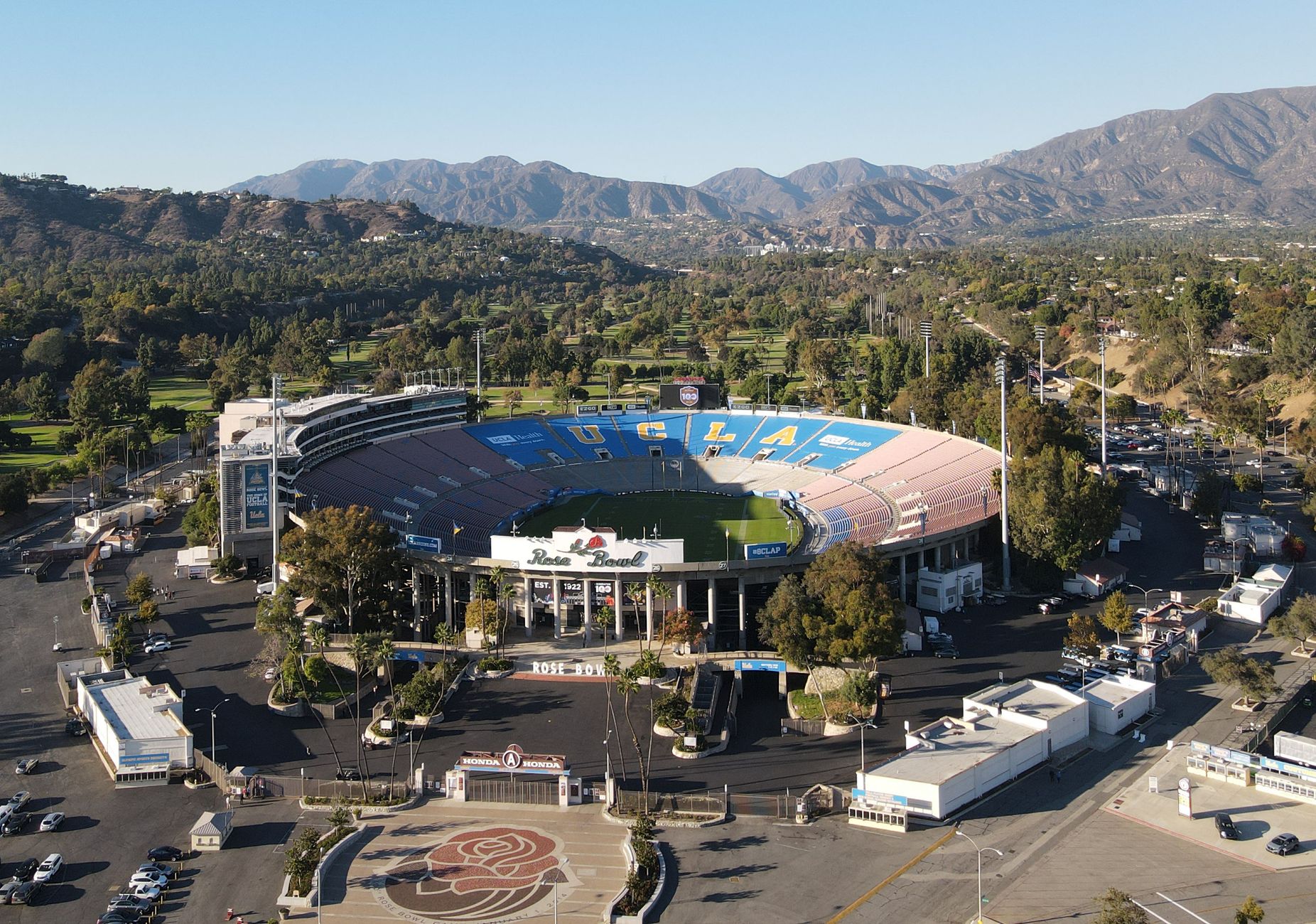
Photo by Fred Thomas III on Pexels
Frequently Asked Questions
Q: What is the football 2026 World Cup?
A: The football 2026 World Cup is FIFA’s expanded men’s international tournament hosted by the United States, Canada, and Mexico. It will feature 48 national teams, compared with 32 teams in the 2022 Qatar tournament. Matches will be distributed across host cities, including Atlanta and Los Angeles, so fans should confirm venue schedules through FIFA before planning travel.
Q: How can I choose the best 2026 World Cup host city?
A: Choose a host city by comparing confirmed fixtures, travel distance, accommodation prices, venue access, and fan events. Atlanta is especially strong for concentrated matchday logistics and a scheduled semifinal, while Los Angeles offers extensive entertainment and festival programming. Build a full budget with a 15% to 25% contingency because peak-event prices can move rapidly.
Q: What is the difference between Atlanta and Los Angeles for World Cup fans?
A: Atlanta emphasizes major stadium matches and a compact Southern football experience, while Los Angeles emphasizes entertainment, culture, and large-scale fan celebrations. Atlanta’s Mercedes-Benz Stadium is scheduled for eight matches, including a semifinal. Los Angeles also plans eight matches and describes 39 days of fan celebrations connected with the FIFA Fan Festival at Exposition Park.
Q: How should I use match predictions for the 2026 World Cup?
A: Use match predictions as probability estimates, not guaranteed outcomes. Compare team strength, expected goals, injuries, tactical matchups, rest, travel, climate, and confirmed lineups before making a decision. Stadium View can provide predictions, player statistics, and tactical coverage, but users should record assumptions and avoid increasing stakes after losses.
Q: Why might a World Cup prediction fail?
A: A prediction can fail because football has high variance, late injuries, red cards, tactical changes, finishing luck, and referee decisions. Even a 70% forecast still implies a 30% chance of the opposite result. Check lineup news close to kickoff, compare multiple data sources, and treat small model edges cautiously rather than assuming statistical confidence equals certainty.
Q: How much does a 2026 World Cup trip cost?
A: The cost depends on the city, ticket category, hotel dates, number of matches, and transport choices, so there is no single universal price. Los Angeles may create greater accommodation and traffic costs, while Atlanta’s semifinal period may produce severe demand spikes. Set a maximum budget, add at least 15% for unexpected expenses, and use official FIFA ticket information rather than unverified resale offers.
Q: Is Stadium View a betting operator?
A: Stadium View is a football-focused content site covering FIFA World Cup 2026 match predictions, team tactics, player statistics, and tournament news. It is not a substitute for an authorized bookmaker, financial adviser, or official FIFA source. Gambling laws and legal age requirements vary by location, so readers should verify local rules and use only licensed services where permitted.
Thank you for reading.
Stadium View · Editorial Archive · No. 01